Investing: Smart Ways to Grow Your Money Without Guesswork

When you start investing, the act of putting money into assets like stocks, ETFs, or funds with the goal of growing wealth over time. Also known as building a portfolio, it’s not just about picking winners—it’s about staying in control when things go wrong. Too many people think investing is about timing the market. But the real challenge? Keeping your cool when your trading platform, the online system you use to buy and sell investments. Also known as brokerage app, it crashes right when prices are swinging. You’re not alone if you’ve watched your screen freeze during a big earnings report or a market crash. That’s not a glitch—it’s a risk you need to plan for.

Broker outage, a sudden failure in a brokerage’s system that blocks access to trades or account data. Also known as brokerage technical failure, it happens more often than you’d think, especially during high-volume days like Fed announcements or earnings season. These aren’t random events—they’re predictable stress tests. Platforms get overloaded, servers crash, and suddenly you can’t sell a losing position or jump on a rally. That’s why knowing your emergency trading options, backup methods to execute trades when your main platform fails. Also known as alternative trading channels, it matters more than your favorite stock picker. Can you call your broker? Use a desktop site? Access a secondary platform? These aren’t nice-to-haves—they’re your safety net.

Investing isn’t just about returns. It’s about resilience. The same people who track dividend yields and P/E ratios often ignore the most basic question: What if the system breaks? The posts below don’t just explain why platforms fail—they give you real steps to stay in control. From checking your broker’s outage history to setting up text alerts for system status, you’ll find practical fixes that don’t require a finance degree. You’ll also learn which brokers have the worst track records during volatility, and how to spot warning signs before your next trade gets stuck. This isn’t theory. It’s what happens when the market moves, and your app doesn’t.


Broker Cash Sweeps: FDIC Programs and Interest Rates Explained

Broker Cash Sweeps: FDIC Programs and Interest Rates Explained

Broker cash sweep programs automatically move idle cash into interest-bearing accounts, but rates and FDIC coverage vary wildly. Learn how much you're really earning - and how to avoid getting shortchanged.

Read More
Concentrating in Employer Stock: Why Your Retirement Is at Risk

Concentrating in Employer Stock: Why Your Retirement Is at Risk

Holding too much employer stock in your retirement account puts your job and savings at risk. Learn why diversification matters-and how to protect your future before it's too late.

Read More
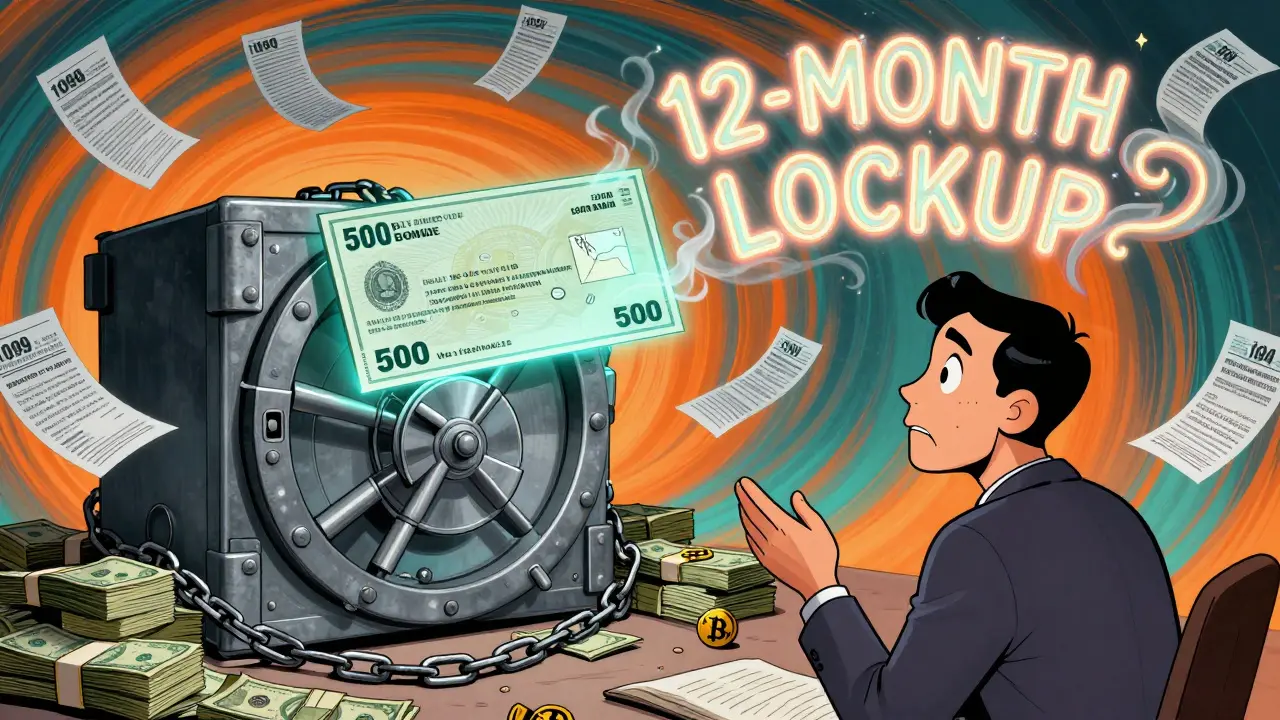
Broker Promotions Fine Print: Lockups and Requirements Explained

Broker Promotions Fine Print: Lockups and Requirements Explained

Broker promotions promise cash for transferring assets, but hidden lockups and tax rules can slash your real earnings. Learn what you’re actually signing up for - and how to avoid getting burned.

Read More
BRICS Countries: Brazil, Russia, India, China, South Africa and the New Global Investment Landscape

BRICS Countries: Brazil, Russia, India, China, South Africa and the New Global Investment Landscape

BRICS countries - Brazil, Russia, India, China, and South Africa - are reshaping global investing with massive population growth, infrastructure projects, and alternative financial systems. Discover where the real opportunities lie today.

Read More
Round-Up Investing: How Micro-Investing from Daily Purchases Builds Wealth Without Thinking About It

Round-Up Investing: How Micro-Investing from Daily Purchases Builds Wealth Without Thinking About It

Round-up investing turns everyday purchases into automatic investments. Learn how spare change from coffee and groceries can grow into real wealth over time - no large savings needed.

Read More
Automating Your First Investments: Recurring Transfers and Dollar-Cost Averaging

Automating Your First Investments: Recurring Transfers and Dollar-Cost Averaging

Automate your first investments with recurring transfers and dollar-cost averaging to build wealth steadily without timing the market. Learn how to start with $25 a month, choose the right ETFs, and avoid common beginner mistakes.

Read More
Risk Parity Strategy: How to Balance Investments by Volatility, Not Dollar Amounts

Risk Parity Strategy: How to Balance Investments by Volatility, Not Dollar Amounts

Risk parity balances investment risk by volatility, not dollar amounts. Unlike traditional 60/40 portfolios, it spreads risk evenly across assets like stocks, bonds, and commodities-using math, not guesswork. Learn how it works, when it shines, and why it’s used by top institutions.

Read More
Margin Accounts: Understand Interest Costs, Risks, and Best Practices

Margin Accounts: Understand Interest Costs, Risks, and Best Practices

Margin accounts let you borrow to invest, but interest costs and margin calls can wipe out your gains. Learn how they work, the real risks, and the best practices to avoid costly mistakes.

Read More
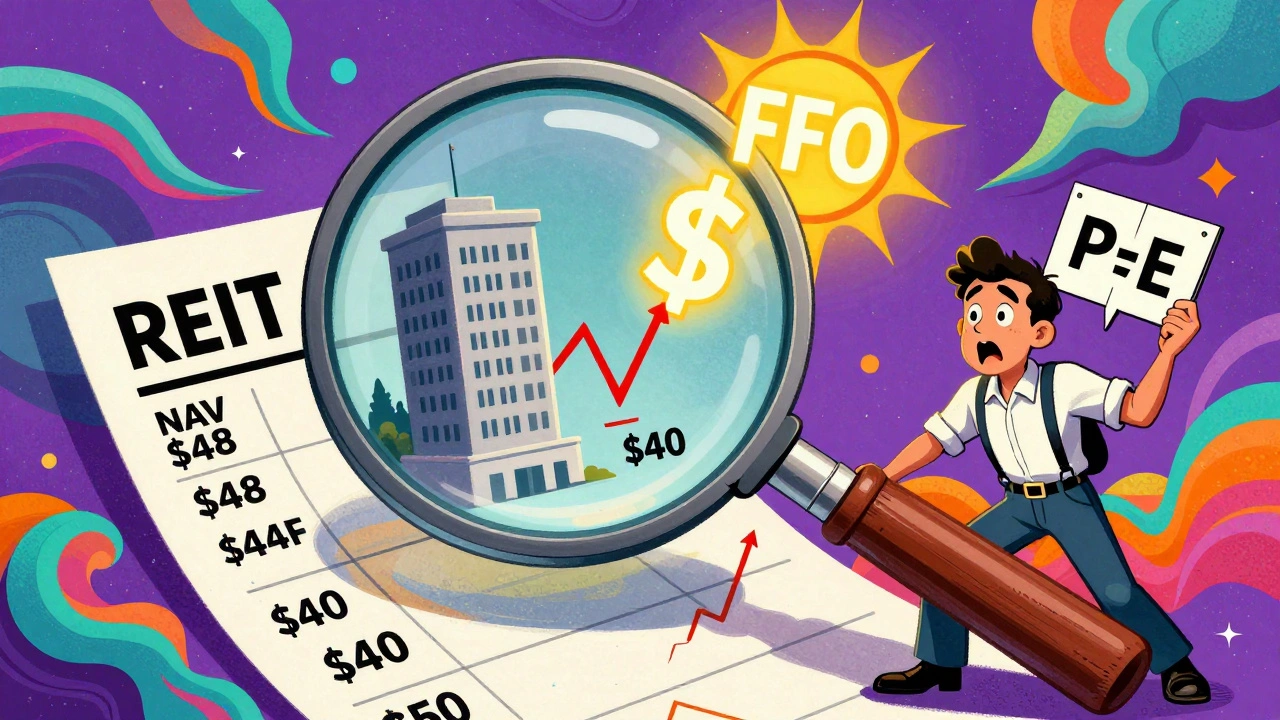
REIT Valuation Metrics: Price-to-Book, Dividend Yield, FFO Explained

REIT Valuation Metrics: Price-to-Book, Dividend Yield, FFO Explained

Learn how to properly value REITs using Price-to-NAV, Dividend Yield, and FFO-three essential metrics that replace traditional P/E ratios. Understand what really drives REIT returns and avoid common investor traps.

Read More
Drift in Your Portfolio: How Asset Allocation Gets Off Track and How to Fix It

Drift in Your Portfolio: How Asset Allocation Gets Off Track and How to Fix It

Portfolio drift happens when your asset allocation shifts due to market movements, increasing your risk without you realizing it. Learn how to spot it, why it matters, and how to rebalance effectively - with real data and practical steps.

Read More
ADR Stocks: How Foreign Companies Trade on U.S. Exchanges

ADR Stocks: How Foreign Companies Trade on U.S. Exchanges

ADR stocks let U.S. investors buy shares of foreign companies like Nestlé and Samsung without opening overseas accounts. Learn how they work, the three levels, hidden fees, tax traps, and why they're the easiest way to go global.

Read More
Why You Keep Selling Winners Too Early (And How to Stop)

Why You Keep Selling Winners Too Early (And How to Stop)

Selling winners too early is one of the most common and costly mistakes investors make. Learn why your brain pushes you to cash in small gains-and how to stop it with simple, proven strategies that let your winners run.

Read More