Investment Risk: Understand What Can Go Wrong and How to Protect Your Money
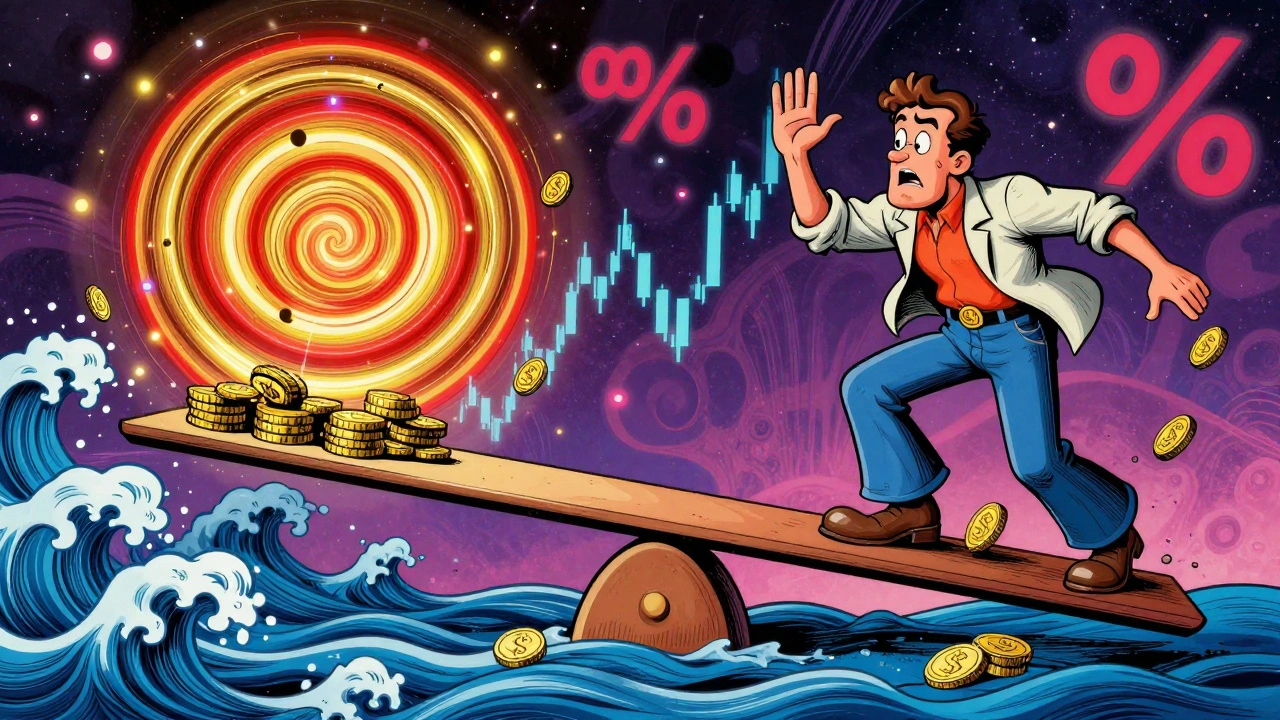
When you invest, you're not just buying stocks or bonds—you're buying investment risk, the chance that your money won't grow as expected, or worse, loses value. Also known as market risk, it's the invisible force behind every decision you make, from picking a robo-advisor to deciding whether to hold onto a winning stock. It’s not something you can ignore, even if you think you’re playing it safe. A savings account has its own kind of risk—inflation eating away at your cash. A high-yield stock? That’s risk too, just a different flavor.
True risk tolerance, how much loss you can stomach without panicking. Also known as emotional risk capacity, it’s not about how rich you are—it’s about how you react when your portfolio drops 15% overnight. Most people think they’re patient investors until they see their account shrink. That’s when the disposition effect, the habit of selling winners too early and holding losers too long kicks in. And it’s why so many investors lock in losses or miss out on big gains. Your diversification, spreading your money across different assets to reduce the impact of any single failure. Also known as asset allocation, it’s the only free lunch in investing. If you put all your money in one stock, one sector, or one country, you’re not investing—you’re gambling. But if you spread it across time horizons, asset types, and regions, you’re building something that can survive a crash.
Market volatility, how much and how fast prices swing up and down isn’t a bug—it’s a feature. The S&P 500 doesn’t go up in a straight line. It dips, surges, and pauses. If you’re checking your balance every day, you’ll see more noise than progress. But if you look at five or ten years, the noise fades. That’s why tools like portfolio rebalancing, automatically adjusting your holdings to stay on target matter. They force you to sell high and buy low without letting emotion take over.
There’s no such thing as risk-free investing. But there is smart risk management. You don’t need to predict the future—you just need a plan that works when things go wrong. The posts below show you how real investors handle risk: from hedging currency moves in international bonds, to using bucket strategies for retirement, to choosing ETFs that minimize tax hits. You’ll see how robo-advisors automate discipline, how dividend investors avoid value traps, and why an emergency fund isn’t just savings—it’s a risk buffer. These aren’t theories. They’re tactics used by people who’ve been through the ups and downs—and came out ahead.