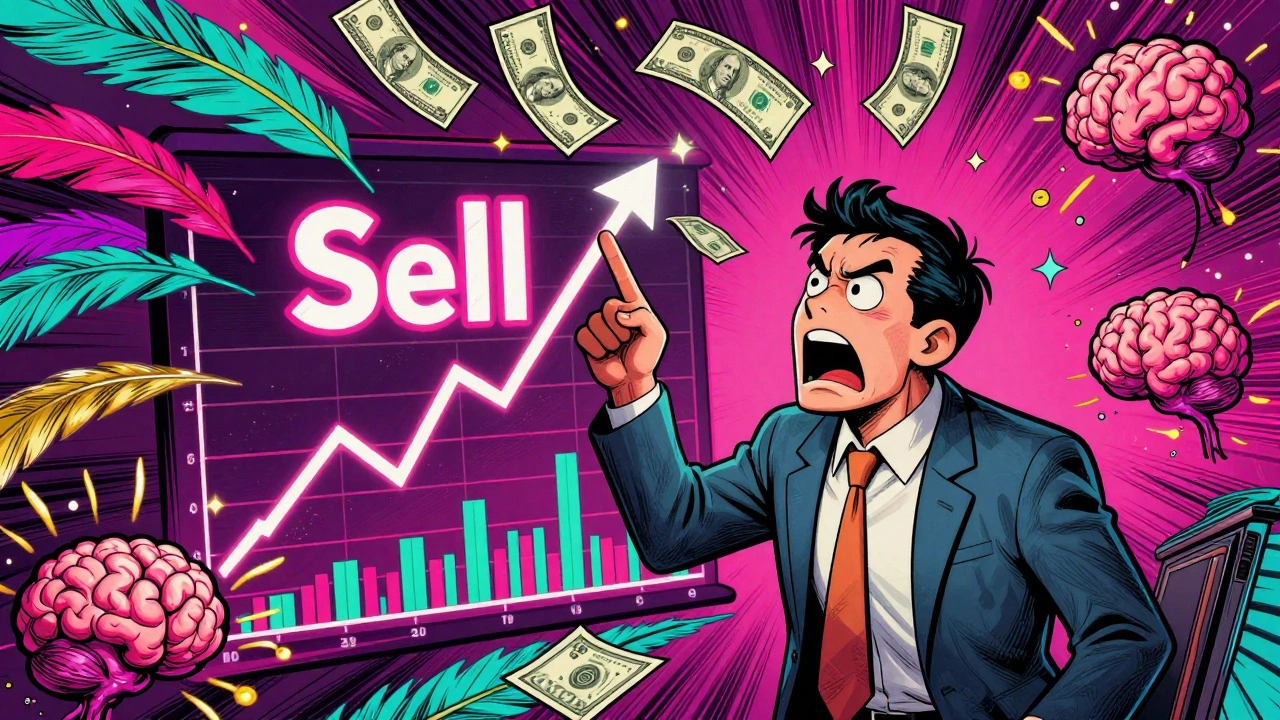
Investment Psychology: Why Your Mind Matters More Than the Market
When you invest, your biggest enemy isn’t the market—it’s investment psychology, the way your brain reacts to gains, losses, and uncertainty, often leading you to make decisions that hurt your returns. Also known as behavioral finance, it’s the hidden force behind why people buy high, sell low, and ignore their own rules—even when they know better. You might have a perfect portfolio on paper, but if fear or greed is pulling the strings, your money won’t grow the way it should.
Portfolio drift, when your asset mix shifts because some investments grow faster than others, isn’t just a math problem—it’s a psychological trap. You see your tech stocks zooming ahead and think, "Why sell? They’re still going up." But that’s exactly when you’re risking too much. Emotional investing, making choices based on excitement, panic, or FOMO instead of a plan turns rebalancing into a chore you avoid. And that’s why robo-advisors work so well: they remove you from the equation. They don’t feel fear when the market drops. They don’t get overconfident when things rise. They just follow the plan. That’s not magic—it’s decision bias, the mental shortcuts your brain uses that lead to predictable, costly errors. Loss aversion, overconfidence, herd behavior—these aren’t buzzwords. They’re the reasons you’re holding onto a stock that’s lost half its value, or selling your bonds at the first sign of trouble.
The posts below don’t just explain these patterns—they show you how to fix them. You’ll find real examples of how people overreact to news, why the 4% rule feels risky today, and how simple tools like budgeting apps and automated rebalancing help you stick to your plan. You’ll see how even experienced investors get fooled by momentum, how dividend traps lure you into risky bets, and why having an investment policy statement isn’t just for pros. This isn’t about becoming a psychologist. It’s about building systems that protect you from yourself. Because the market will always be unpredictable. But you don’t have to be.