High-Yield Dividends: What They Are and How to Use Them Wisely
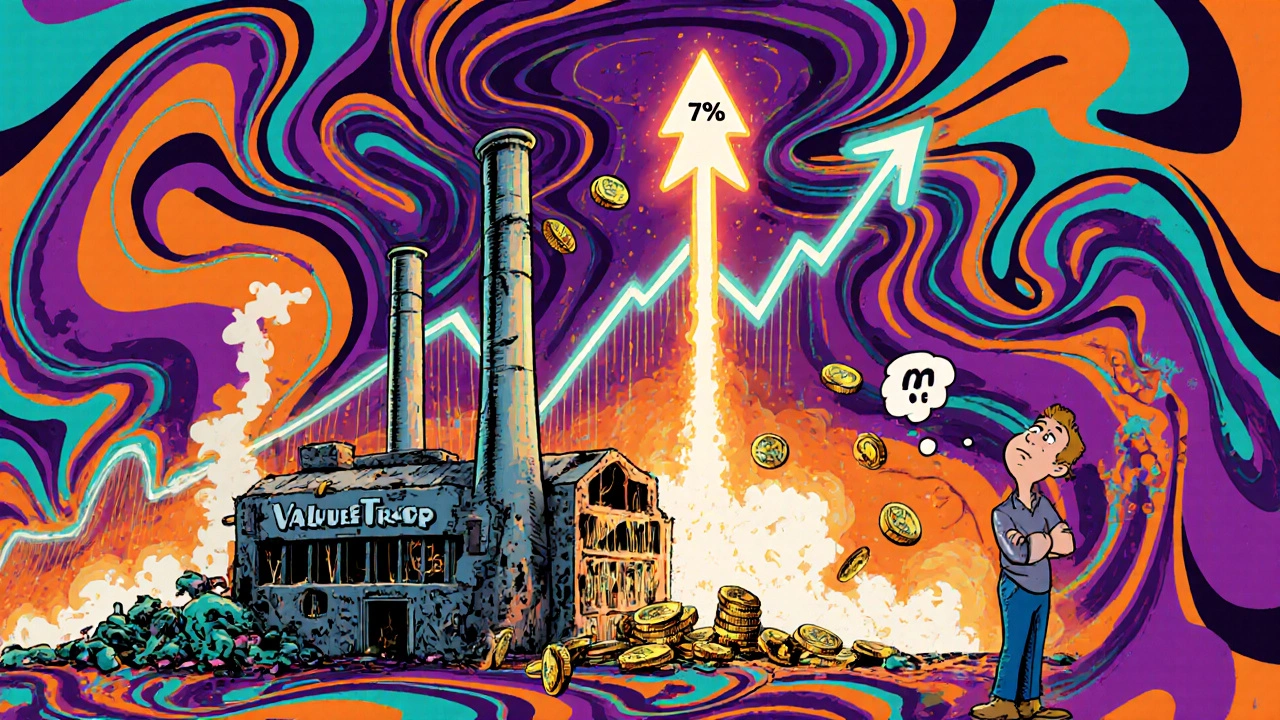
When you hear high-yield dividends, cash payments from companies to shareholders that are significantly higher than average. Also known as high-dividend stocks, they’re often marketed as easy income — but not every big payout is a gift. Some are traps. A company paying 8% might be desperate, not generous. If it’s losing money or burning cash just to keep the dividend alive, that payout won’t last. Real high-yield dividends come from businesses with steady profits, low debt, and a history of paying — not just promising — cash back to investors.
What makes a dividend sustainable? Look at the payout ratio, the percentage of earnings paid out as dividends. A number over 80% is risky. A number under 60%? That’s a sign the company can keep paying even if profits dip. Then there’s dividend yield, the annual dividend divided by the stock price. A 5% yield sounds great, but if the stock price dropped 30% last year, the yield went up because the company’s value fell — not because it got stronger. You’re not chasing yield. You’re chasing stability. The best high-yield dividends come from sectors like utilities, pipelines, and real estate investment trusts (REITs) — businesses that collect steady cash flow from things people always need: electricity, water, rent.
But here’s the catch: high-yield dividends aren’t for everyone. If you’re investing for retirement and need income now, they can be a core part of your plan. If you’re young and still growing your portfolio, you might do better with growth stocks. And never put all your money in one high-yield stock. Even the best dividend can get cut. That’s why you’ll find posts here that show you how to spot the difference between a true income generator and a ticking time bomb. You’ll see how to compare dividend safety across companies, how to use ETFs to spread the risk, and why some of the highest yields are actually warnings in disguise. This isn’t about chasing the biggest number on your statement. It’s about building income that lasts.