RegTech: What It Is and How It Stops Financial Crime
When you hear RegTech, technology designed to help financial firms follow laws and avoid fines. Also known as regulatory technology, it’s not just software—it’s the reason your bank asks for your ID, checks your name against global watchlists, and reports odd transactions. Without it, money laundering and terrorist financing would be far easier to hide.
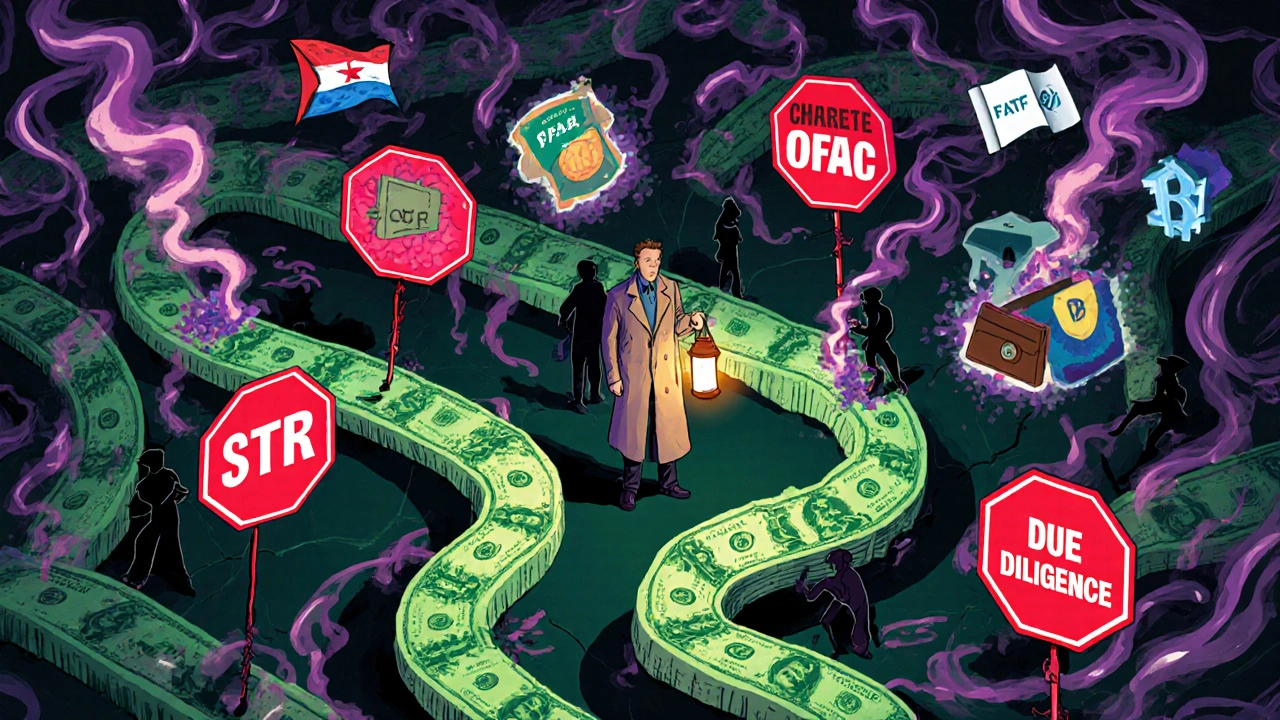
RegTech works because it turns messy, manual rules into automated systems. It pulls together data from your account, public records, and global databases to spot red flags fast. Think of it as a smart assistant that never sleeps, scanning millions of transactions for signs of fraud. It’s built around core tools like KYC, Know Your Customer processes that verify who you are before letting you open an account, and AML, Anti-Money Laundering systems that track suspicious cash flows. These aren’t optional—they’re required by law in nearly every country, enforced by groups like the FATF and FinCEN. And when a transaction looks off, RegTech triggers a Suspicious Activity Report, a formal alert sent to financial regulators when something doesn’t add up.
RegTech doesn’t just react—it predicts. Modern systems use machine learning to spot patterns humans miss. A series of small transfers from different accounts? That’s not random—it’s structuring, a classic tactic to avoid detection. A new customer with no income but sudden large deposits? That’s a red flag. RegTech flags these fast, so compliance teams can investigate before the money moves. It’s not perfect, but it’s the best tool we have to stop criminals from using banks as pipelines. And as rules get tougher—like new CTF controls requiring real-time monitoring—RegTech is the only way firms can keep up without hiring armies of auditors.
What you’ll find below are clear, no-fluff breakdowns of how these systems actually work. From the paperwork banks file to the AI that spots terrorist funding, you’ll see exactly what’s happening behind the scenes—and why it matters to you.