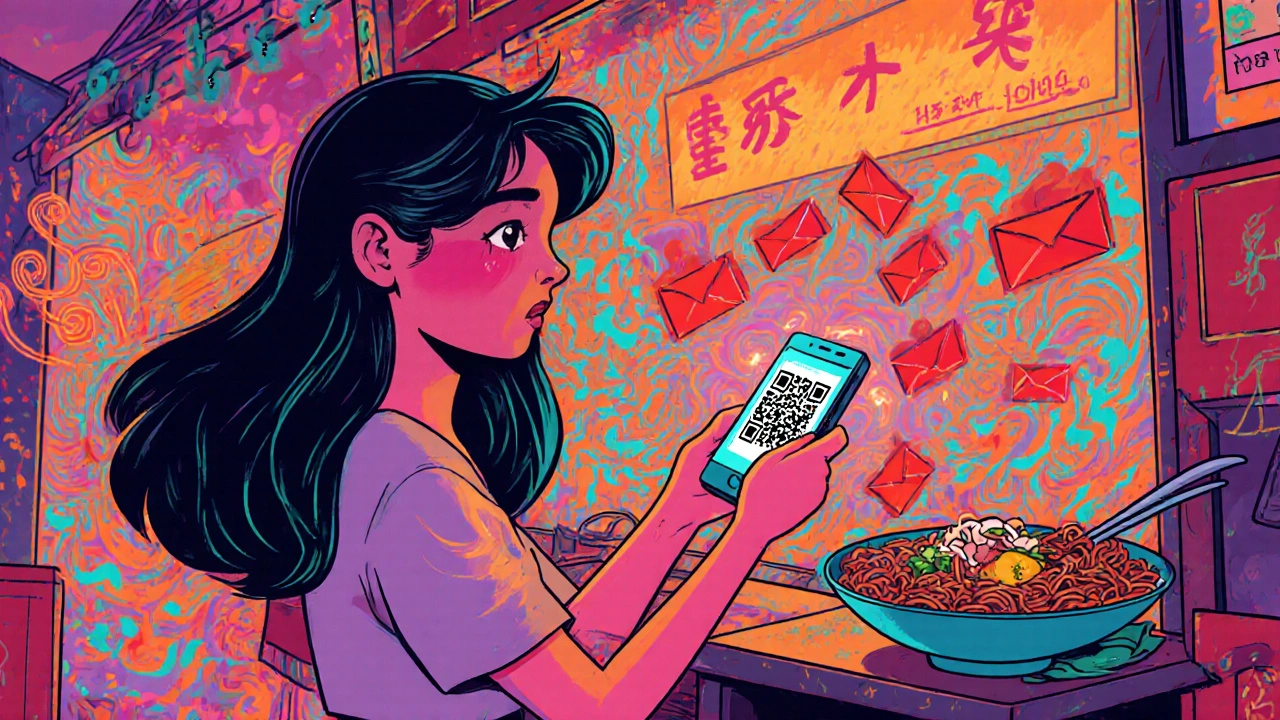
WeChat Pay: How China’s Mobile Wallet Dominates Payments and What It Means for You
When you think of WeChat Pay, a mobile payment and digital wallet service integrated into China’s super-app WeChat, enabling users to pay for goods, send money, and manage finances without cash or cards. It’s not just an app—it’s the default way over a billion people in China handle money every day. Unlike Apple Pay or Google Wallet, which just replace your credit card, WeChat Pay turns your phone into your wallet, bank, bill payer, and even your social finance hub. You can split dinner with friends, pay your rent, buy groceries, tip a street vendor, or invest in a money market fund—all without opening another app. It’s built into a platform people already use to chat, post updates, and watch videos. That’s why it works: it’s not an add-on, it’s the default.
What makes WeChat Pay different isn’t just the tech—it’s the ecosystem. It works with mobile banking, financial services delivered through smartphone apps, especially in markets where traditional banks have limited reach in ways that feel seamless. You don’t need a bank account to start using it—many users begin with a basic wallet tied to their phone number. This ties directly into financial inclusion, the process of giving people access to affordable financial services, even without traditional ID or credit history, a theme you’ll see repeated in posts about KYC without IDs and mobile banking in emerging markets. WeChat Pay doesn’t just serve urban elites; it reaches street vendors, rural farmers, and gig workers who were left out of the old banking system. And it’s not just about payments—it connects to fintech acquisitions, mergers and buyouts in financial technology companies, often driven by the need to control user data and payment flows. Big players are buying up smaller fintechs to expand their reach, and WeChat Pay is at the center of that trend in Asia.
But here’s the catch: WeChat Pay doesn’t exist in a vacuum. It’s shaped by regulation, data privacy rules, and China’s unique financial landscape. It’s also a model others are watching—India’s UPI, Southeast Asia’s GrabPay, and even PayPal are borrowing ideas from it. If you’re curious about how digital wallets change behavior, how people manage money without banks, or how apps like Chime or Zelle compare in simplicity and risk, you’ll find those stories below. We’ve pulled together posts that show how payment systems like WeChat Pay are redefining trust, speed, and access in finance. Whether you’re a traveler, a small business owner, or just someone trying to understand the future of money, what happens in WeChat Pay today might be what your bank offers tomorrow.