Social Payments: How Peer-to-Peer Money Moves Today
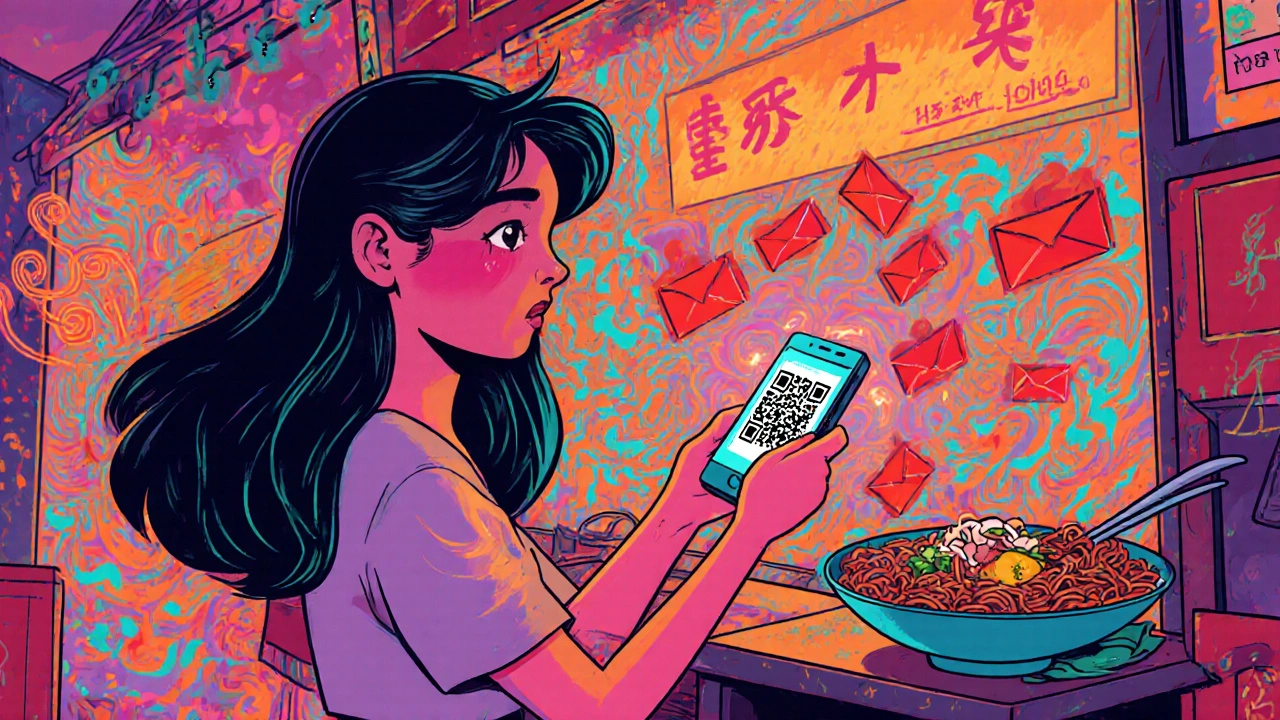
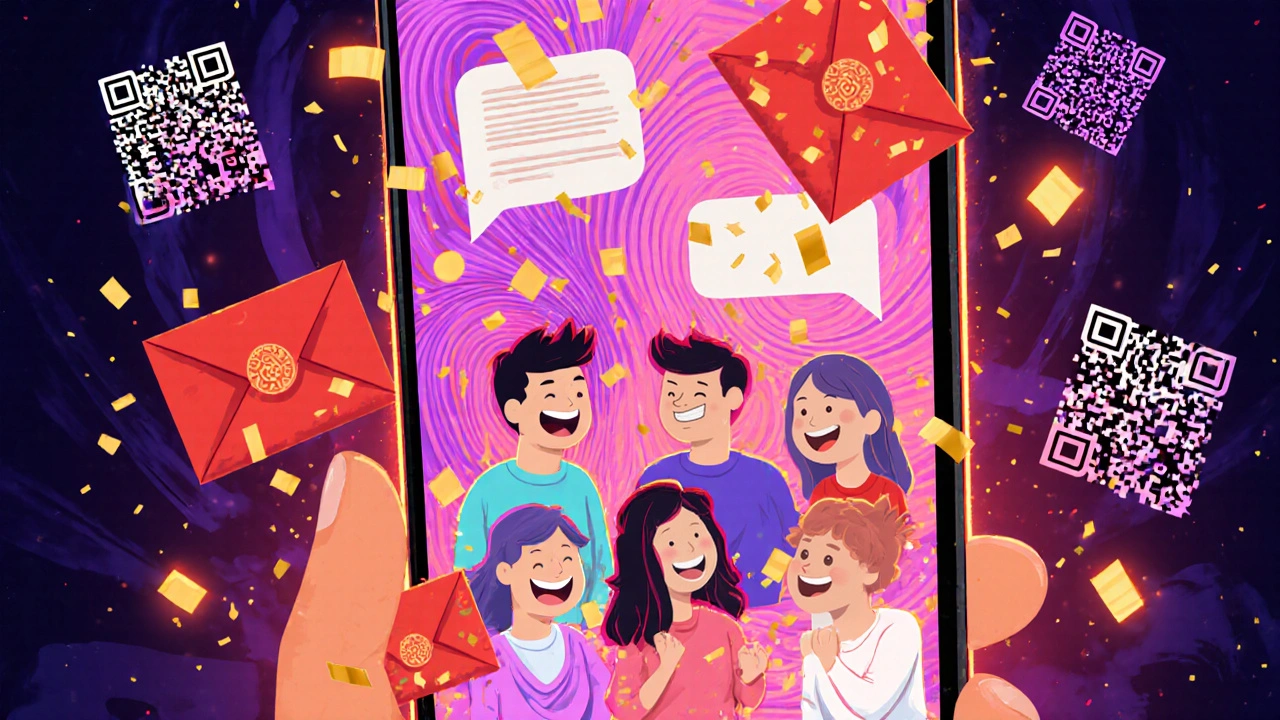
When you split a dinner bill with friends or send cash to a roommate, you’re using social payments, digital transfers between individuals that bypass traditional banking channels. Also known as P2P payments, they’re the quiet revolution behind how money moves in everyday life—no cash, no checks, just a tap or a click. Unlike wire transfers or checks, social payments happen instantly through apps tied to your bank, phone, or digital wallet. They’re not just for friends anymore. They’re how gig workers get paid, how families send birthday money, and how people without bank accounts access basic financial tools.
Behind the scenes, Zelle, a bank-backed network that moves money between U.S. accounts in minutes dominates the space—but it’s not the only player. Digital wallets like Venmo and Cash App have turned social payments into social experiences, adding emojis, feeds, and even investing features. But speed comes with risk: Zelle has no fraud protection, and once you send money to the wrong person, it’s gone. Meanwhile, financial inclusion, the effort to bring banking services to unbanked and underbanked populations is being powered by these same tools. In places where traditional banks are scarce, mobile-first P2P systems are the first step into the financial system—just like M-PESA in Kenya or UPI in India.
These systems don’t just move money—they change behavior. They make splitting rent easier, help couples manage shared expenses, and let parents give allowances without cash. But they also expose users to new kinds of scams, hidden fees, and confusing terms. That’s why understanding how they work matters more than ever. Below, you’ll find clear breakdowns of how platforms like Zelle operate, why some are safer than others, and how alternative verification methods are letting more people join without IDs. You’ll also see how these tools connect to bigger trends like earned wage access, neobanks, and mobile-first finance. No fluff. Just what you need to use social payments without getting burned.