Open Banking: How Shared Data Is Changing Your Money Experience
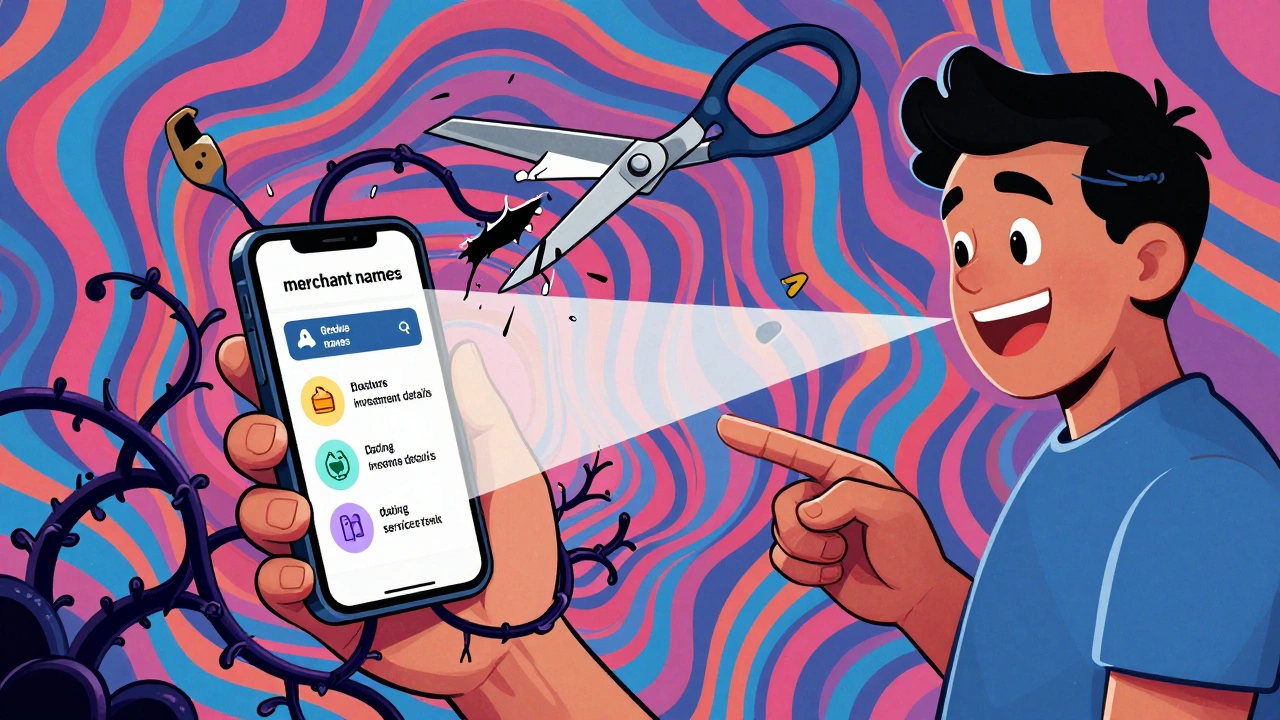
When you hear open banking, a system that lets you securely share your financial data with third-party apps through regulated APIs. Also known as financial data sharing, it’s not science fiction—it’s already reshaping how you pay, save, and borrow. Instead of logging into your bank’s website to check your balance, you can now connect your accounts to apps like Mint, YNAB, or even your tax software with a few taps. Your bank doesn’t hand over your password—it gives the app a secure, limited window into your data. That’s the core idea: control stays with you, but access expands.
This isn’t just about convenience. API-driven finance, the technical backbone of open banking that lets different systems talk to each other without manual entry is what makes real-time budgeting, automatic savings, and instant loan approvals possible. You no longer need to manually download statements or retype numbers. Apps pull your transaction history directly from your bank, analyze it, and suggest actions—like switching to a higher-yield savings account or paying off a high-interest card. And it’s not just for consumers. Small businesses use open banking to get funding faster by showing lenders a clear, real-time picture of their cash flow instead of weeks of paper records.
Behind the scenes, account aggregation, the process of pulling data from multiple financial accounts into one view is what turns scattered balances into a single dashboard. Think of it like a financial GPS: it shows you where you are, where you’ve been, and where you’re headed—all in one place. But it’s not without limits. Regulations like PSD2 in Europe and the CFPB’s rules in the U.S. ensure your data isn’t misused. You can revoke access anytime. No app can move money without your explicit permission.
What you’ll find below are real-world examples of how open banking is already helping people take control. From apps that auto-split bills with roommates to lenders who approve loans in minutes using live bank data, these aren’t theoretical ideas—they’re tools people are using today. You don’t need to be a tech expert to benefit. You just need to know what’s possible—and how to say yes—or no—to sharing your data.