WeChat Pay: How Social Media Changed Payments Forever
WeChat Pay transformed China's economy by turning messaging into money. With 1.1 billion users, it's the world's largest social payment system-but its future beyond China is uncertain.
Read MoreWhen you think of mobile payments in China, a system where nearly everyone uses smartphones to pay for everything from street food to rent. Also known as cashless society, it’s not a future idea—it’s today’s reality for over a billion people. Unlike the U.S., where credit cards still dominate, China skipped plastic entirely. People don’t carry wallets. They don’t swipe cards. They open WeChat or Alipay, scan a QR code, and that’s it. No PIN. No signature. No change.
This shift didn’t happen by accident. It was built on two giants: WeChat Pay, a payment feature inside China’s most-used messaging app, owned by Tencent, and Alipay, the digital wallet from Alibaba that started as a escrow service for online shopping. These aren’t just payment tools—they’re operating systems for daily life. You can pay for a bus ride, order medicine, book a doctor’s appointment, tip a street performer, or even donate to charity—all inside one app. And because these apps are tied to your identity, they also handle your credit score, insurance, and government services.
Why did this work so well in China? Because the infrastructure was missing. Banks didn’t reach rural areas. ATMs were rare. Credit card fraud was high. But smartphones? Everyone had them. QR codes were cheap to print. And the government didn’t stand in the way. The result? A financial revolution that happened faster than anywhere else on earth. Even small vendors in mountain villages now have a printed QR code taped to their stall. Tourists? They download Alipay, link a foreign card, and pay just like locals.
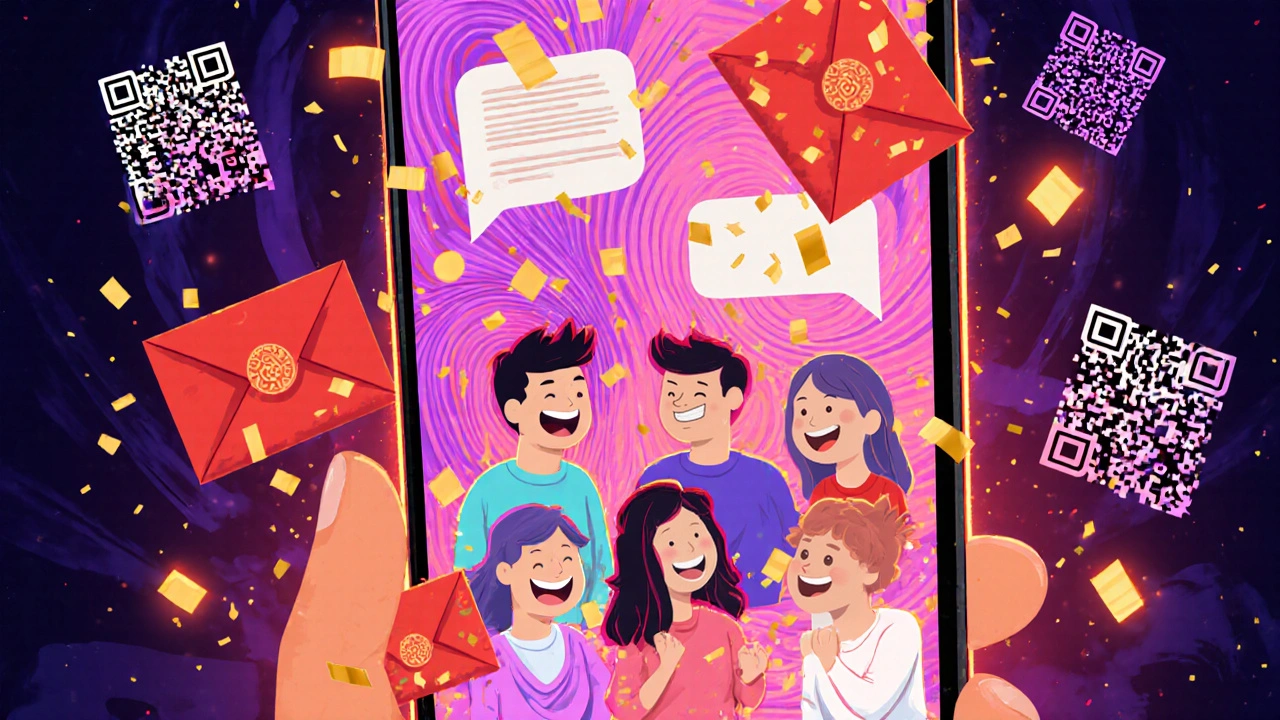
But it’s not just about convenience. mobile payments in China changed how people save, borrow, and invest. Alipay’s Yu’e Bao lets users park cash in a money market fund with higher returns than savings accounts. WeChat Pay lets you split bills with friends or send red envelopes during holidays—digital gifts that feel personal. These aren’t just payments. They’re social, financial, and cultural tools rolled into one.
What does this mean for the rest of the world? China didn’t just adopt mobile payments—it redefined them. Other countries are trying to catch up, but they’re stuck with legacy systems. In China, the system is so seamless, people forget they’re even using technology. That’s the real win.
Below, you’ll find deep dives into how WeChat Pay and Alipay work, why they’re safer (and riskier) than you think, how they connect to broader fintech trends, and what happens when a billion people stop using cash. Whether you’re curious about digital wallets, financial inclusion, or the future of money, these posts break it down without fluff.
WeChat Pay transformed China's economy by turning messaging into money. With 1.1 billion users, it's the world's largest social payment system-but its future beyond China is uncertain.
Read More