International Bonds: What They Are and How to Use Them in Your Portfolio
When you buy an international bond, a debt security issued by a foreign government or company, denominated in a currency other than your own. Also known as foreign bonds, they let you earn interest while spreading your risk beyond your home country’s markets. Unlike U.S. Treasuries or corporate bonds issued domestically, these instruments expose you to changes in foreign economies, interest rates, and exchange rates—making them more complex but potentially more rewarding.
One key related concept is sovereign debt, the money a country owes to investors, often issued in its own currency or a major one like the U.S. dollar or euro. Countries like Germany, Japan, and Canada issue sovereign bonds that are considered stable, while others, like Argentina or Nigeria, offer higher yields but carry much more risk. Then there’s currency risk, the chance that the value of the bond’s currency drops against your home currency, eating into your returns even if the bond pays well. This isn’t just a footnote—it’s often the biggest factor in whether you make or lose money on international bonds.
Many investors ignore international bonds because they’re harder to understand than domestic ones. But research shows that adding just 10% to 20% of your bond portfolio in foreign issuers can reduce overall volatility. It’s not about chasing the highest yield—it’s about balancing exposure. For example, if the U.S. dollar weakens, bonds denominated in euros or yen might rise in value when converted back. That’s the opposite of what happens with U.S. stocks, which often fall when the dollar drops. That counter-movement is why smart investors use international bonds as a hedge.
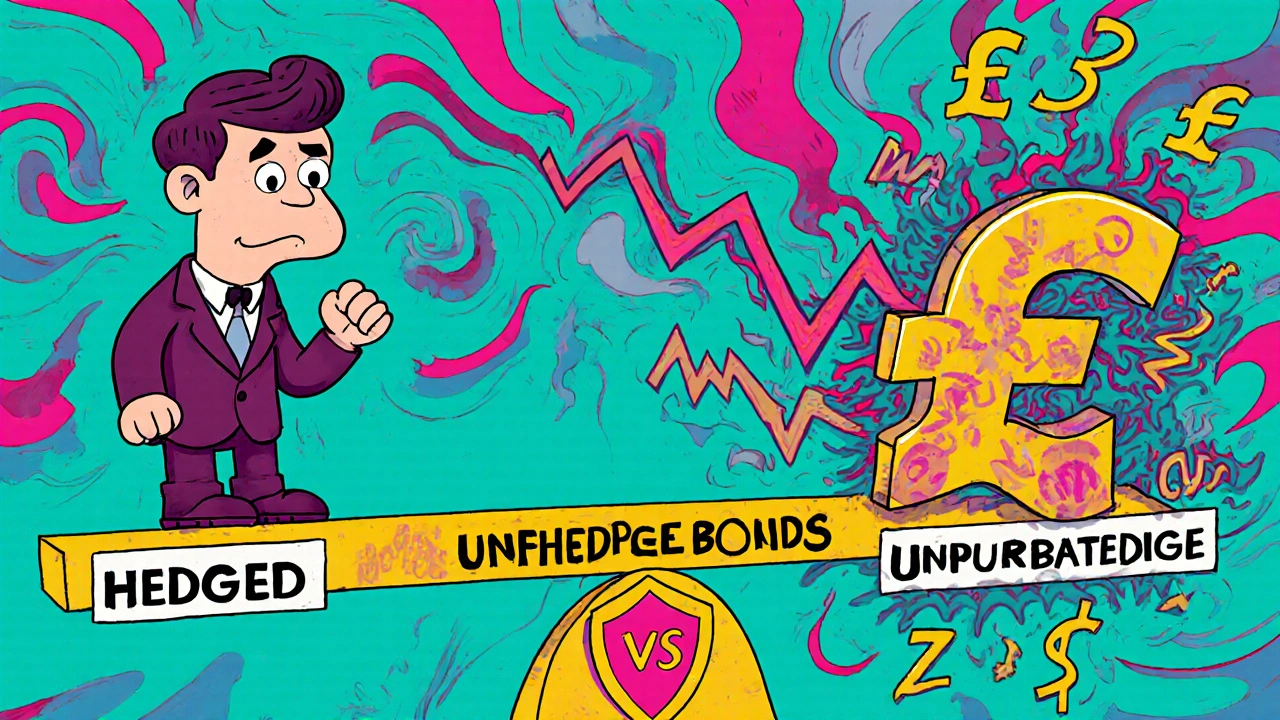
You’ll also find that international bonds come in different flavors: government-issued (sovereign), corporate, and even supranational ones like those from the World Bank. Some are hedged—meaning the issuer or fund protects you from currency swings—while others leave you fully exposed. The choice depends on your tolerance for uncertainty and how much you trust global economic trends. If you’re worried about inflation in the U.S., bonds from countries with tighter monetary policy might offer better real returns.
What you won’t find in most beginner guides is how these bonds connect to real-world events. A political shift in Europe, a rate hike in Japan, or a commodity crash in Brazil can all ripple through your bond holdings. That’s why it’s not enough to just pick a bond fund and forget it. You need to pay attention to the bigger picture—something the posts below help you do without the jargon.
The articles here don’t just explain what international bonds are—they show you how they fit into real portfolios. You’ll see how they interact with time horizons, how they compare to ETFs and mutual funds, and when they make sense versus when they add unnecessary risk. Whether you’re building a retirement portfolio, trying to reduce home bias, or just curious about global markets, you’ll find practical advice—not theory.