Strong Customer Authentication: How It Protects Your Money Online
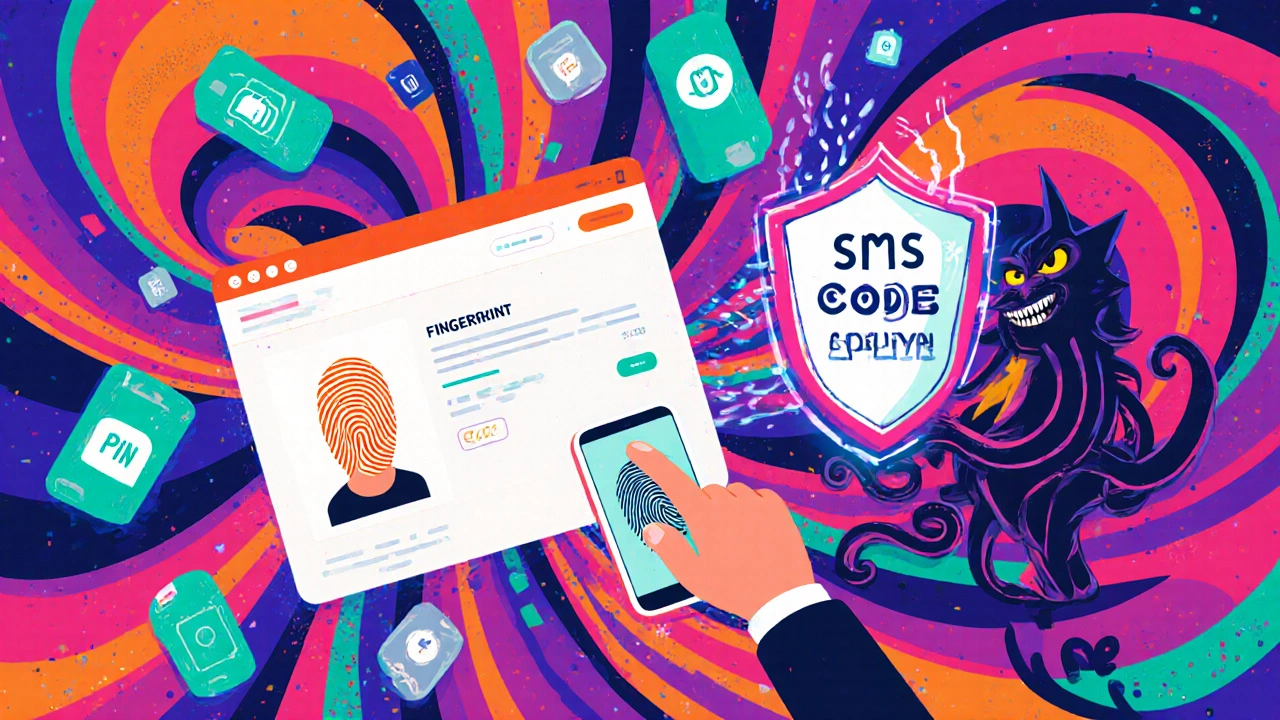
When you log into your bank app or pay for something online, Strong Customer Authentication, a security rule that requires at least two independent ways to prove who you are before allowing access to financial accounts. Also known as SCA, it’s now required across the European Union and is slowly spreading elsewhere because plain passwords just aren’t enough anymore. Think of it like unlocking your front door—you can’t just use a key. You also need a fingerprint scan or a code sent to your phone. That’s SCA in action: something you know (like a password), something you have (like your phone), or something you are (like your face or fingerprint).
It doesn’t just apply to banks. If you’re using a payment app, buying from an online store, or even checking your investment account, SCA might kick in. This rule came from PSD2, a European law that forced banks and payment providers to make transactions more secure. Before SCA, fraud was rising fast—stolen passwords, fake emails, and account takeovers were common. Now, if a hacker gets your password, they still can’t do much without your phone or biometric check. That’s why you’re being asked to approve payments with an app notification or enter a one-time code. It’s not annoying—it’s armor.
But SCA isn’t perfect. Sometimes it blocks legitimate transactions if your phone’s offline or your bank’s system glitches. You might get locked out of your account trying to pay for groceries. That’s why some services let you set up trusted payees or exempt low-risk purchases. Still, the trade-off is clear: a few extra seconds of verification means fewer stolen funds and less stress later. And it’s not just for Europeans. Even in the U.S., banks are adopting similar rules because fraud costs everyone money. Companies like Chime, Zelle, and even fintech lenders now build SCA into their systems—not because they have to, but because customers demand it.
What you’ll find below are real-world examples of how SCA shows up in everyday finance. From how Zelle handles payments to how banks verify your identity without a passport, these posts show you exactly where and why SCA matters. You’ll see how it connects to KYC without IDs, how it protects your emergency fund, and why it’s becoming the baseline for every digital money move you make. No fluff. Just what you need to know to stay safe and not get tripped up by the system.