SCA: What It Is, How It Works, and Why It Matters in Modern Finance
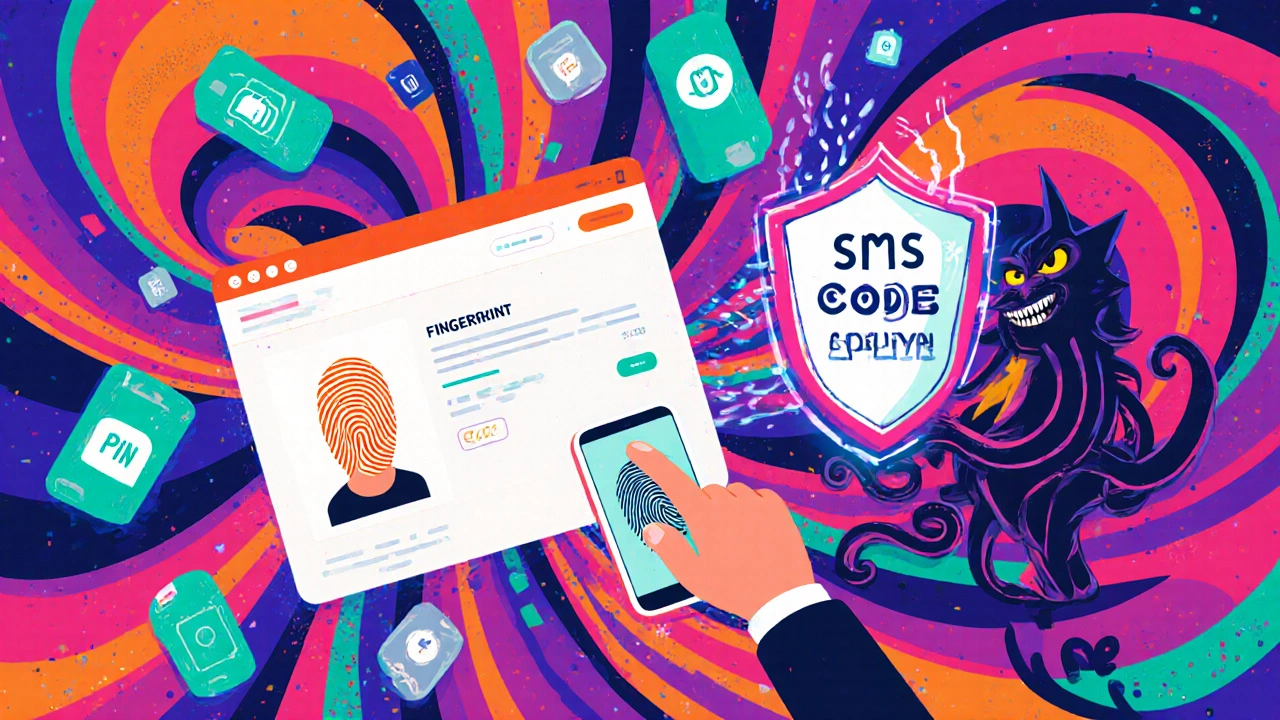
When you pay for something online, SCA, Strong Customer Authentication, is a security requirement that forces you to prove who you are using at least two different methods. Also known as two-factor authentication, it’s not a suggestion—it’s the law in Europe and increasingly adopted worldwide to stop fraud before it happens. If you’ve ever been asked to enter a code from your phone or approve a payment with your fingerprint after clicking "Buy," that’s SCA in action.
SCA isn’t just about passwords. It’s built on three things: something you know (like a PIN), something you have (like your phone or a security token), and something you are (like your face or fingerprint). Most online payments now require at least two of these. This isn’t just for banks—it applies to every digital transaction covered under PSD2, the European payment regulation that made SCA mandatory. Even if you’re not in Europe, many U.S. and global platforms follow the same rules because they handle international payments. The goal? Make stolen cards and fake logins useless. A hacker might steal your password, but they can’t steal your phone or your face.
SCA affects more than just shopping. It shows up when you transfer money, update your billing info, or even log into your investment app. Some people find it annoying—especially when they’re in a hurry—but the trade-off is real: fewer stolen funds and less time spent fixing fraud. Platforms like Zelle, a bank-backed payment system, don’t use SCA, which is exactly why they’re risky for payments to strangers. Meanwhile, payment processors that follow SCA have lower chargeback rates and better customer trust. It’s not perfect—sometimes it blocks legitimate payments—but it’s the best system we have right now to stop automated fraud at scale.
You’ll see SCA pop up in places you didn’t expect. It’s why your brokerage asks for a code after you log in. It’s why your fintech app won’t let you change your bank link without a second verification. Even when you’re just checking your balance, some systems trigger it if they detect unusual behavior. That’s not overkill—it’s smart. Fraudsters use bots to test thousands of logins a minute. SCA stops them cold. And while it might feel like an extra step, it’s the reason your money is still there when you log in tomorrow.
What you’ll find below is a collection of real-world posts that explain how SCA fits into bigger trends: how payment systems balance security and speed, how regulations like PSD2 shape your digital experience, and why some platforms fight it while others lean into it. You’ll see how it connects to things like strong customer authentication, digital identity, and financial inclusion. These aren’t theoretical discussions—they’re stories from people who’ve been locked out of their accounts, got scammed because SCA was skipped, or finally understood why their bank keeps asking for that code. This isn’t about compliance paperwork. It’s about your money staying safe without making you jump through hoops.