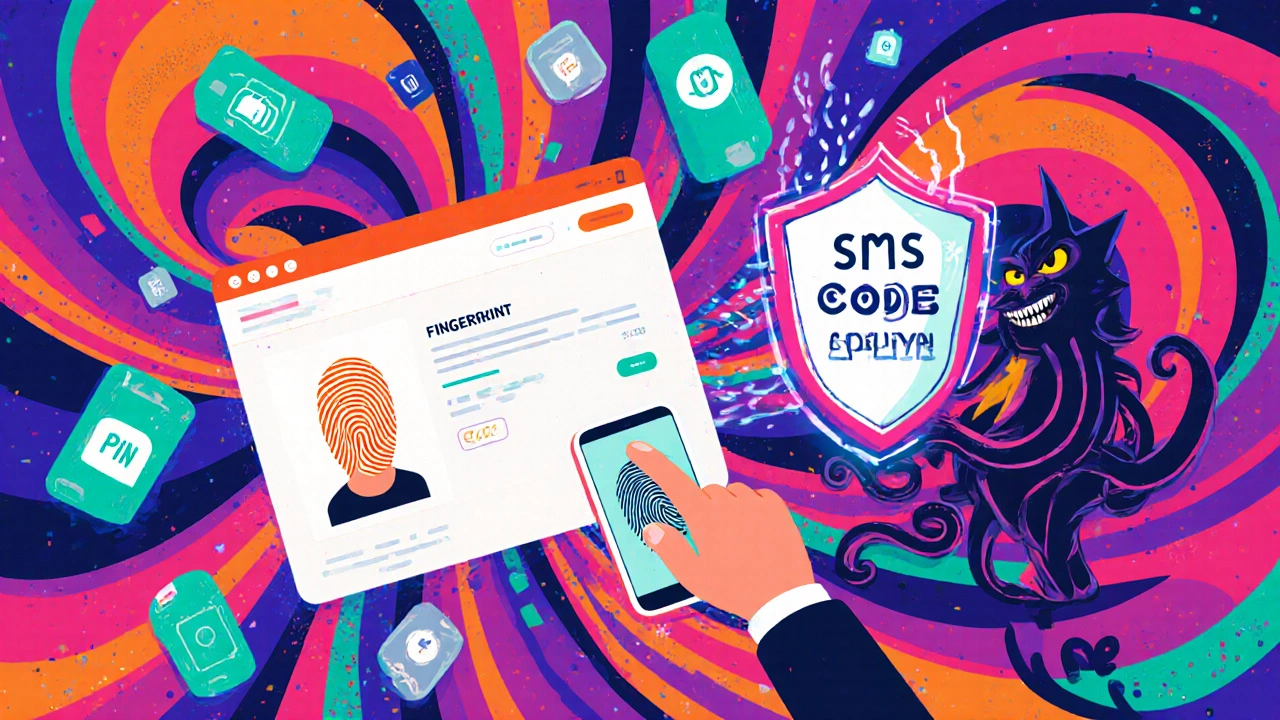
PSD2: How Open Banking Rules Changed Finance in Europe and Beyond
When you think about PSD2, the European Union’s second Payment Services Directive that requires banks to let third-party apps access your financial data with your permission. Also known as open banking, it’s not just a rule—it’s a power shift. Before PSD2, your bank held all your transaction history like a locked safe. Now, with your consent, apps like budgeting tools, investment platforms, and even comparison sites can pull your data directly from your account—no screenshots, no manual entry, no delays. This change didn’t just make life easier for users; it cracked open the door for a whole new wave of fintech startups to build services that actually work with your real money, not just guess at it.
PSD2 doesn’t just cover payments—it connects to open banking, the broader system where financial institutions share data securely via standardized APIs. That’s why apps like YNAB and Goodbudget can now auto-import your spending without you typing a single number. It’s also why services like Chime and Zelle can integrate more deeply with your bank accounts—because PSD2 forced banks to play nice with outsiders. And it’s not just Europe. Countries from the UK to Brazil and Australia have copied its model, turning what started as a regional rule into a global blueprint for financial transparency. Even regulators in the U.S. are watching closely, testing whether similar rules could help reduce fees and give consumers more control.
But PSD2 isn’t just about convenience. It’s tied to financial data sharing, the practice of letting you authorize apps to read or act on your financial information. This is what makes features like automatic bill splitting, real-time fraud alerts, and smart savings tools possible. It also raises real questions: Who’s responsible if an app gets hacked? Can your bank refuse to share data? And what happens if you don’t understand the permissions you’re giving? That’s why you’ll find posts here on everything from how to spot risky third-party apps to how banks are adapting their systems to meet these new rules. You’ll also see how fintech regulation, the growing patchwork of laws governing digital finance tools is evolving to keep up—because PSD2 didn’t solve every problem, it just started the conversation.
What you’ll find below isn’t a list of technical manuals. It’s a collection of real-world stories and breakdowns about how PSD2 changed how people manage money. From how tiered KYC systems now rely on open banking data to how payment apps use API access to offer faster transfers, these posts show the ripple effect of one rule. Whether you’re using a budgeting app, comparing loan rates, or just wondering why your bank suddenly lets you connect to so many services, this is the why behind it all.