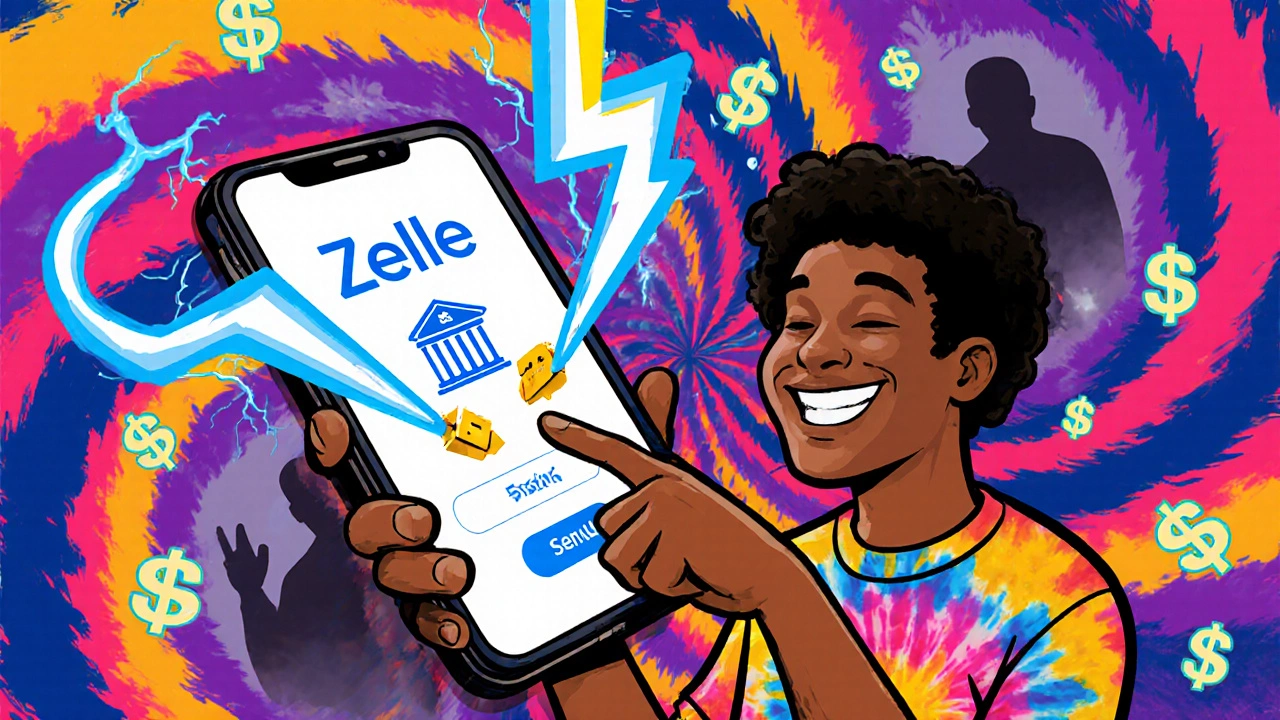
P2P Payments: How Peer-to-Peer Transfers Are Changing How We Send Money
When you send $20 to a friend for dinner using your phone, you’re using P2P payments, a system that lets individuals transfer money directly without banks acting as intermediaries. Also known as peer-to-peer transfers, it’s become the default way people split bills, pay rent, or send birthday cash—no cash, no checks, no waiting. This isn’t just convenience; it’s a shift in how money moves. In 2025, over 150 million adults in the U.S. use P2P apps regularly, and global volume is expected to hit $1.5 trillion this year. What started as a way to pay your roommate has grown into a backbone of daily finance.
P2P payments rely on three key tools: digital wallets, apps that hold your money and connect to your bank or card, mobile payments, the actual process of tapping, scanning, or sending funds via phone, and instant payments, networks like RTP or FedNow that settle transfers in seconds, not days. These aren’t just features—they’re the reason P2P payments beat traditional bank transfers. Where a wire transfer takes 1–3 days and costs $15, a P2P payment takes 5 seconds and costs nothing. Even better, apps like Venmo, Cash App, and Zelle now let you pay at stores, split rent, or even invest part of your balance—all from one screen.
But it’s not all smooth. Some services charge fees for instant cashouts. Others have limits on how much you can send. And while most are secure, scams targeting P2P users are rising fast—fake invoices, fake friends, fake requests. That’s why understanding how your app works matters. Is your money protected if you get scammed? Does the recipient need the same app? Can you reverse a payment? These aren’t technical questions—they’re daily decisions.
The posts below dig into exactly that. You’ll find real breakdowns of how apps like WeChat Pay turned messaging into money, how settlement speed affects your paycheck through EWA systems, and why some P2P tools are safer than others. You’ll see what’s changing in regulation, what’s fading out, and what’s exploding in adoption. No fluff. No theory. Just what you need to know to send, receive, and protect your money in a world where cash is optional.