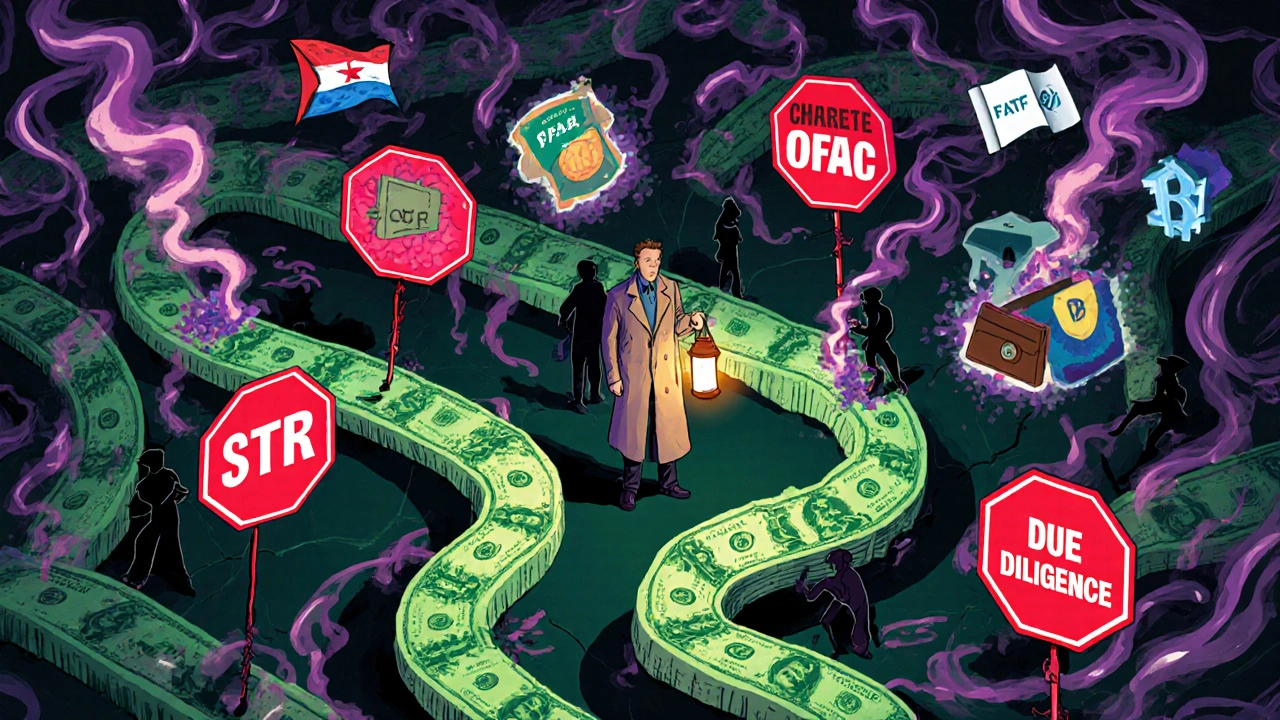
CTF Controls: What They Are and Why They Matter for Financial Systems
When you send money online, deposit a paycheck, or use a business card, CTF controls, systems designed to prevent criminals from using financial networks to fund terrorism. Also known as counter-terrorism financing measures, they’re not just legal boxes to check—they’re the invisible guardrails keeping your money safe from being twisted into weapons. These rules force banks, payment apps, and investment platforms to watch for red flags: sudden large transfers, shell companies with no real business, or accounts that move money in circles with no clear purpose.
CTF controls don’t exist in a vacuum. They’re tightly linked to AML regulations, anti-money laundering laws that track how cash moves through the system. If a fintech fails to flag a suspicious transfer under CTF rules, it’s often because its AML system is broken. And both rely on suspicious activity reporting, the process where financial institutions alert authorities to unusual behavior. Think of it like a smoke alarm: it doesn’t stop the fire, but it tells someone to act before it spreads. In 2024, global regulators fined institutions over $2.3 billion for weak CTF monitoring—because even one missed transaction can fund real harm.
These controls shape everything from how you open a business account to why your app asks for your ID again. They’re why some platforms block crypto-to-bank transfers without extra verification. They’re why small businesses get extra scrutiny when wiring money overseas. And they’re why platforms like Ramp or high-yield savings apps have compliance teams working behind the scenes—not to annoy you, but to keep the system from being abused. You won’t see CTF controls in action unless something goes wrong. But when they work, you’re protected without even knowing it.
Below, you’ll find real-world examples of how CTF controls play out in fintech, banking, and investing. From how cloud-based systems automate compliance to why certain loan platforms reject applicants without clear documentation, these posts show you the hidden rules that keep your money—and the system—secure.