Account Ownership: Who Really Controls Your Money and Why It Matters
When you open a bank or investment account, account ownership, the legal structure that defines who has rights to access, manage, or inherit funds in an account. Also known as title structure, it’s not just paperwork—it’s the difference between your spouse accessing your savings after you’re gone, or the government freezing everything until probate ends. Most people assume their will controls everything, but account ownership overrides it. If you named a beneficiary on your brokerage account, that person gets it directly—no court, no delays. If you co-signed with your parent, they can pull out every dollar tomorrow, even if your will says otherwise.
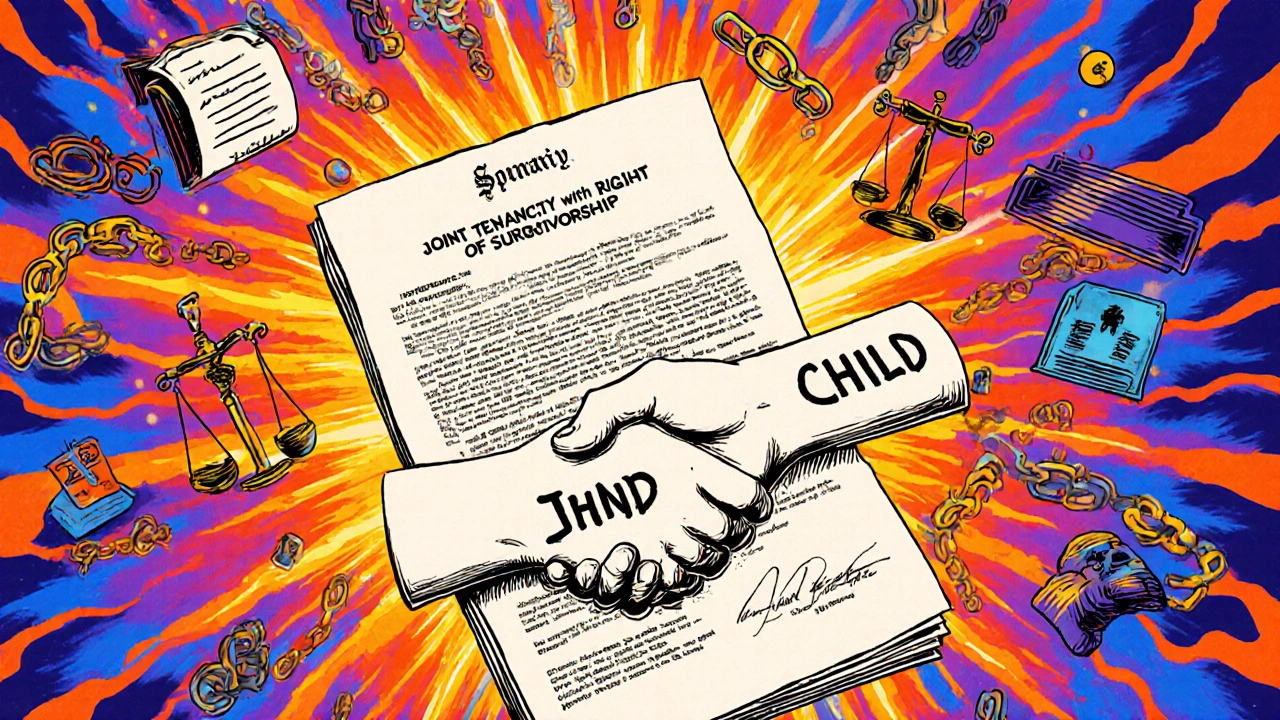
This isn’t just about death. joint accounts, accounts held by two or more people with equal rights to withdraw and manage funds. Also known as co-owned accounts, they’re common for couples, parents and kids, or business partners. But they come with hidden risks: if your joint owner gets sued, their creditors can claim the whole account. trust accounts, legal arrangements where a trustee manages assets for a beneficiary under specific rules. Also known as fiduciary accounts, they’re used to protect money for minors, people with disabilities, or to avoid probate entirely. You’ll find real examples of how these work in posts about setting up trusts for investment purposes and managing money as a couple. Then there’s beneficiary designations, direct instructions on an account that override a will to send assets to named individuals. Also known as payable-on-death (POD) or transfer-on-death (TOD) designations, they’re the quiet heroes of estate planning—simple, fast, and often ignored until it’s too late. And don’t forget custodial accounts, accounts set up for minors under laws like UGMA or UTMA, where an adult manages funds until the child reaches legal age. Also known as minor’s investment accounts, they’re used to save for college, but can backfire if the kid gets access at 18 and spends it all. These aren’t abstract legal terms—they’re the actual tools people use to protect their families, avoid taxes, and prevent disasters.
What you’ll find below isn’t theory. It’s real setups people use: how a trust account keeps money out of probate, why joint accounts cause more family fights than they solve, and how beneficiary forms can save your heirs thousands in legal fees. You’ll see how account ownership connects to things like estate planning, tax efficiency, and even digital wallet controls. No fluff. No jargon. Just clear, practical breakdowns of who owns what, when, and why it changes everything.